

A Beginners Guide to the Internet of Things
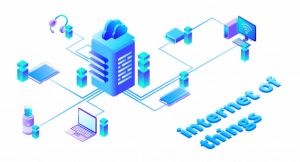
The Internet of Things (IoT) continues to reshape how we live, work, and interact with technology. While the concept may initially seem complex, its core idea is simple: connecting the physical and digital worlds to create smarter, more efficient experiences. This article breaks down the essentials of IoT, how it enhances everyday life, and why it has become one of the most transformative technologies of our time.
Basic Understanding of IoT
Over the past five decades, the Internet has evolved through three major phases. The first phase focused on connecting people with one another. The second phase introduced communication between people and machines. Today, in the third phase, machines can communicate with each other, the foundation of what we now call the Internet of Things.
This shift began when everyday devices started becoming “smart.” The smartphone was the earliest major milestone, but smart technology has expanded rapidly. We now have smart locks, smart thermostats, smart cars, smart appliances, and countless other connected devices. When these devices share data with each other and with the Internet to make intelligent decisions, that’s IoT in action. These “Things,” collectively, form ecosystems that enhance safety, convenience, and efficiency.
The Expanding World of IoT
IoT has grown at an exceptional speed across industries and consumer markets. The number of connected devices is expected to exceed 40 billion by 2034, nearly triple what it was just a decade earlier. This surge is naturally driving revenue upward as well. The global IoT market, which stood at around $180 billion in 2020, is projected to cross $575 billion by 2028 and continue rising steadily through the next decade.
This isn’t just consumer enthusiasm; industries are embracing IoT even faster. A majority of manufacturers now consider the Industrial Internet of Things (IIoT) essential to their digital transformation strategies, and more than 10% of global venture capital funding flows into IoT-related technologies.
Worldwide spending reflects the same momentum. By 2023, annual IoT spending had already surpassed $1 trillion, fueled in part by the massive amount of data generated by connected devices expected to reach almost 80 zettabytes by 2025. In the United States, the IoT market is projected to exceed $340 billion in 2025, with more than half of households adopting smart home devices.
The growth is equally notable in Saudi Arabia. The country’s IoT market reached USD 9.49 billion in 2024, and with strong government support and digital transformation goals, it is expected to nearly triple by 2033, growing at an annual rate of close to 13%. These global and regional trends show how deeply IoT is becoming embedded in both everyday life and enterprise operations.
How IoT Makes Life Easier
One of the most well-known examples of IoT in action is the Nest Thermostat. Connected through Wi-Fi, it allows users to adjust their home temperature from anywhere. But IoT goes far beyond remote control. The thermostat learns your daily patterns, optimizes energy usage, and even detects when you’re away.
Imagine your fitness tracker registering that you’ve fallen asleep and automatically instructing your smart TV to turn off, or sensors notifying you instantly about gas or water leaks. These real-time, automated actions are what make IoT so powerful, improving convenience, safety, and energy efficiency without requiring constant human input.
Internet of Things Components
Every IoT ecosystem comprises three essential components: the Thing, the Network, and the Platform.
1. The Things: Sensors and Devices
These include sensors that capture data (like temperature or motion) and devices that act based on that data.
2. Networks and Protocols
IoT devices communicate through existing infrastructure such as Wi-Fi, Bluetooth, or cellular networks. These protocols keep data flowing reliably and securely between devices.
3. Platforms, Apps, and Services
IoT platforms manage data collection, integration, storage, and analysis. Advanced platforms can even make autonomous decisions, turning data into real-time actions.
Challenges in IoT
While IoT presents immense opportunities, it also comes with challenges.
1. Inter-compatibility
Different manufacturers often use different standards, making it difficult for devices to communicate. However, companies like Qualcomm, LG, and Microsoft are working on open standards to improve cross-device compatibility.
2. Security and Privacy
Because IoT relies on continuous data exchange, users are concerned about how their data is handled. Organizations like the Federal Trade Commission (FTC) have issued guidelines to ensure consumer data protection. Meanwhile, companies such as Apple have strengthened privacy through encryption, authentication, and secure frameworks like HomeKit.
Should You Buy One?
IoT is no longer a futuristic idea; it’s already part of everyday life. Whether you should invest in IoT devices depends on your needs. Always research thoroughly and choose products from reputable brands. A good IoT device should solve a real problem, integrate smoothly into your routine, and provide security and long-term value.
Conclusion
The Internet of Things is fundamentally transforming how we live and work. From smart homes to industrial automation, IoT represents the next major leap in digital innovation. This article aimed to explain the concept simply, avoiding technical jargon while highlighting how IoT is shaping industries and daily life.
For businesses in Saudi Arabia and worldwide, IoT presents enormous opportunities for efficiency, innovation, and growth. Ewaantech offers expert IoT implementation services to help organizations modernize operations, boost productivity, and deliver smarter services. By connecting the Internet with industry, we can create truly intelligent systems and Ewaantech is here to help turn that vision into reality.